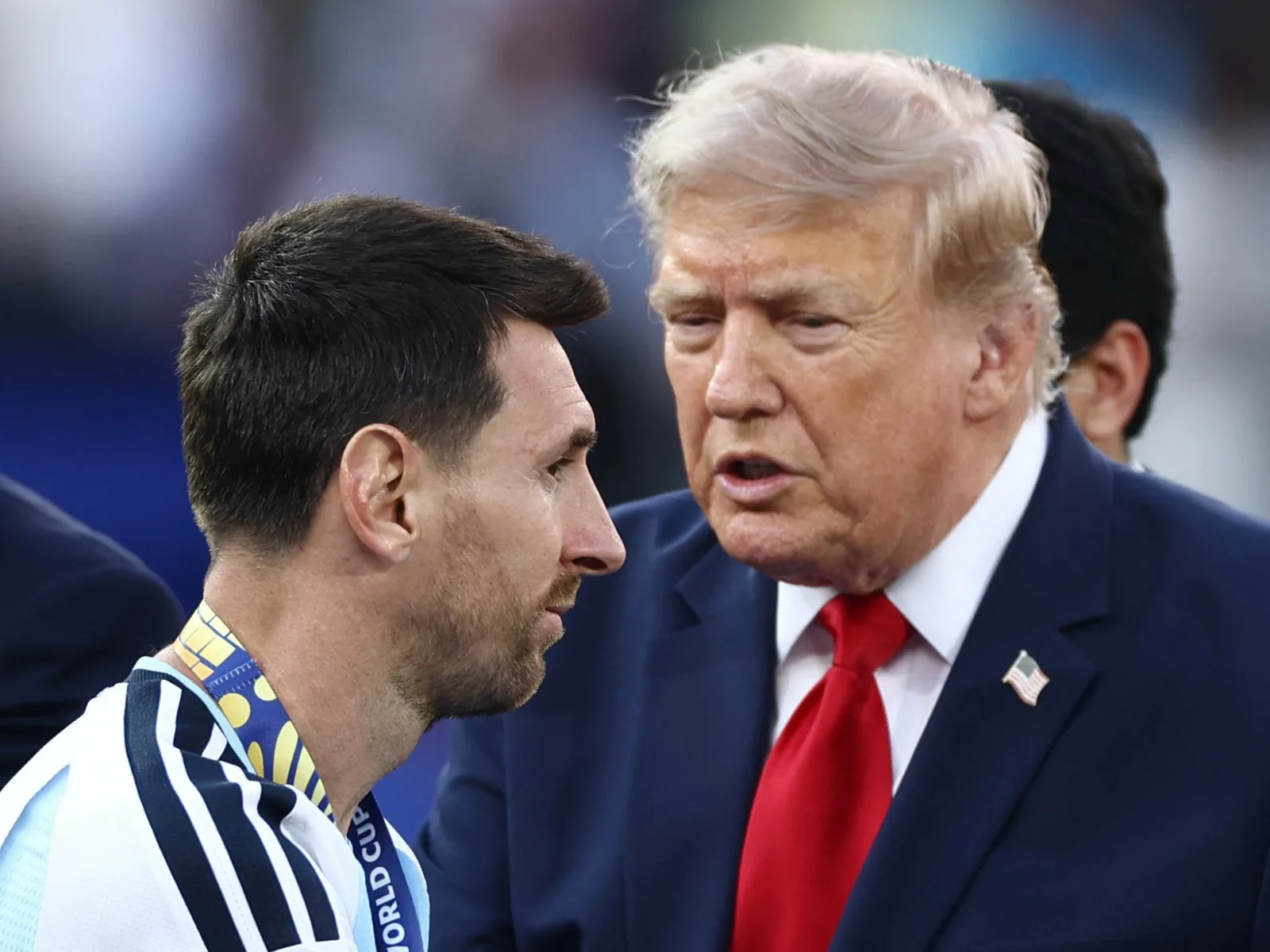
The 2026 FIFA World Cup, which concluded with Spain defeating Argentina in the final, marked the largest tournament in the competition’s history. This edition featured an expanded 48-team format and included 104 games played over almost six weeks across the United States, Mexico, and Canada. The tournament generated both thrilling on-field action and notable controversies, from political tensions to new rule implementations.
The expansion to 48 teams initially raised concerns about potential dilution of quality and one-sided matches in the group stage. However, the tournament delivered compelling narratives, particularly from debutant nations. Cape Verde, for instance, drew with Spain and Uruguay, and pushed Argentina to extra time before a 3-2 loss. Curaçao also secured a point against Ecuador, and DR Congo drew with Portugal. These performances highlighted a narrowing gap between top-tier teams and other nations, providing more opportunities for emerging footballing countries.
Tournament Controversies and Innovations
One of the most debated aspects of the tournament was the introduction of mandatory three-minute hydration breaks. While FIFA stated these were for player welfare, particularly in summer conditions, fans often booed the stoppages, perceiving them as disruptive to the game’s flow and an opportunity for broadcasters to insert commercials. Coaches, however, utilized these breaks as tactical timeouts, influencing the course of several matches. Despite fan and expert criticism, FIFA maintained that these breaks were implemented equally across all matches, even in air-conditioned stadiums.
Another significant controversy involved the suspension of a red card issued to USA forward Folarin Balogun. After being sent off in a match against Bosnia and Herzegovina, his ban was controversially suspended following an intervention from then-US President Donald Trump. This decision, which allowed Balogun to play in the subsequent match against Belgium, drew criticism from various football bodies and raised questions about political interference in tournament regulations. The USA was subsequently eliminated by Belgium.
The tournament also saw continued debate surrounding Video Assistant Referee (VAR) decisions. Several crucial goals were disallowed for teams like Germany, Croatia, and Egypt due to VAR interventions. The high-tech ball, fitted with sensors, also played a role in contentious calls. Critics argued that these technological interventions sometimes detracted from the joy of the game.
Impact on Co-Hosts and Future Considerations
The co-hosting nations, United States, Canada, and Mexico, experienced varying degrees of success and impact. Canada’s progression to the last 16 signaled potential growth in men’s football in the country, supported by increased investment and record crowds. Mexico also saw packed stadiums and euphoric fans, though their first World Cup knockout win in 40 years unfortunately led to fatalities in crowd crushes.
Despite initial concerns about high ticket prices and potential empty seats, the tournament reported near-full stadium capacities, with a record 6,527,410 fans attending matches. FIFA’s dynamic pricing and resale platform, which included significant fees, generated substantial revenue. However, these pricing practices led to an investigation by the attorneys general of New York and New Jersey. The tournament also faced political tensions, particularly concerning Iran’s participation, with visa issues and travel restrictions affecting their team and supporters.
Fifa’s head of referees, Pierluigi Collina, implemented new laws aimed at improving the tempo of games, focusing on quicker restarts and reducing time-wasting. This resulted in a slightly higher ball-in-play time compared to the previous World Cup, with matches averaging 96 minutes and 24 seconds, excluding hydration breaks. The success of these measures will likely influence their application in domestic football leagues in the upcoming season.
Read Also
Source: aljazeera.com