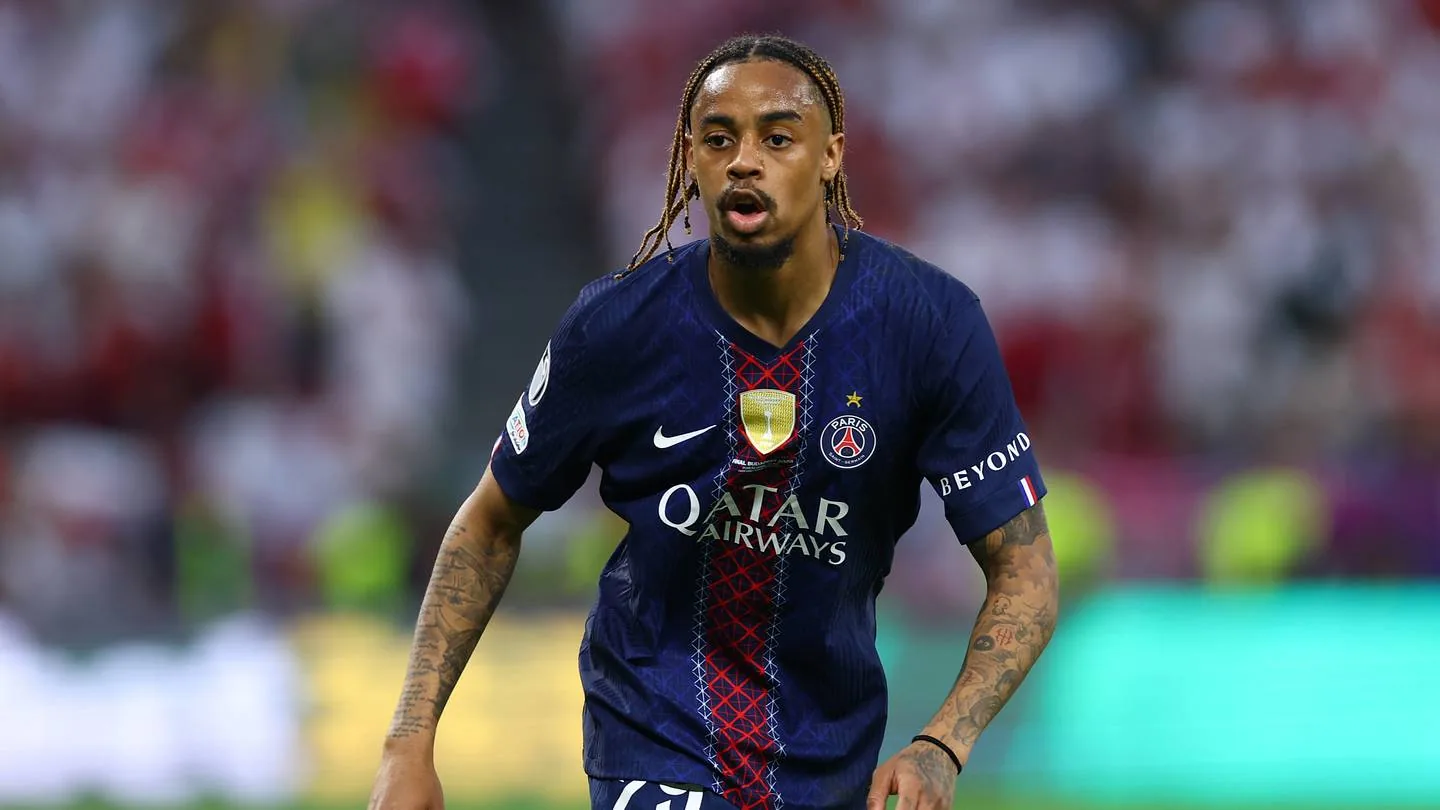
President Donald Trump presented the World Cup trophy to Spain, the winning team in Sunday’s final against Argentina. Despite Spain’s victory, Trump suggested that the United States was the true victor of the tournament. He stated that the event demonstrated the United States as a “soccer country” and brought the world together.
The final match concluded over a year of logistical planning by the White House, in collaboration with co-hosts Canada and Mexico. This tournament was described as the largest World Cup in history, requiring a balance between the administration’s migration policies and the needs of an international sporting event.
Tournament Highlights and Controversies
Spain secured the championship with a 1-0 win over defending champions Argentina. Following the match, Trump and FIFA President Gianni Infantino presented the trophy, with Trump joining the team in their celebration amidst gold confetti. Trump arrived at the final via Marine One, the presidential helicopter.
Before the game, Trump proposed another bid for the United States to host the tournament again, suggesting to Infantino that the United States should host again soon, potentially without Mexico and Canada. He also observed the World Cup trophy during the first half from his box seat, where he was accompanied by First Lady Melania Trump and Infantino.
The White House faced scrutiny from human rights groups and criticism regarding high ticket prices. There were also discussions about moving games from cities that did not cooperate with federal immigration authorities. Additionally, local authorities and FIFA had disagreements over transit costs in the weeks leading up to the tournament.
The administration also encountered international attention for its visa decisions, including the denial of entry to a referee from Somalia. Tensions increased after a conflict with Iran, which resulted in some Iranian team fans and personnel being barred from entering the U.S., leading the team to be based in Tijuana.
Despite these challenges, social media accounts indicated that soccer fans from various countries enjoyed American culture during the tournament. Andrew Giuliani, executive director of the White House FIFA Task Force, noted that the focus shifted to the athletic achievements on the field and cultural interactions.
A controversy arose from a phone call Trump made to Infantino earlier in the month, requesting a review of a referee’s decision in Team USA’s match against Bosnia and Herzegovina. The referee had issued a red card to U.S. forward Folarin Balogun, which would have prevented him from playing in the subsequent match against Belgium. FIFA later reversed the call, a decision Trump commended to Infantino, despite the U.S. team losing to Belgium 4-1.
Future Sporting Events and International Relations
The Trump administration’s efforts to ensure a successful World Cup were also influenced by the upcoming 2028 Summer Olympics in Los Angeles and the 2034 Winter Olympics in Salt Lake City. The United States is also widely anticipated to host the 2031 Women’s World Cup, with Giuliani emphasizing that hosting duties would involve ensuring only women participate in the event.
Senator Andy Kim, a self-proclaimed World Cup superfan from New Jersey, where the final was held, observed that the tournament’s logistics were mostly smooth, with minor issues related to transit. He noted that the excitement and joy of the attendees overshadowed any difficulties.
Broader international relations with co-hosts Canada and Mexico also played a role. Trump had announced tariffs on both countries upon his return to the White House and opted not to renew a trade agreement among the three nations. He also joked about imposing tariffs on Canada due to wildfires affecting air quality in parts of the U.S., including northern New Jersey.
Despite these tensions, Mexican President Claudia Sheinbaum and Canadian Prime Minister Mark Carney attended the final at Trump’s request, suggesting that soccer could bridge some geopolitical differences. Trump, as is customary for heads of state hosting the tournament, presented the trophy to the winner. Spain’s King Felipe VI, Queen Letizia, and Prime Minister Pedro Sanchez were present at the game, while Argentine President Javier Milei did not attend due to superstition.
Read Also
- New York fans embrace 'Spanish style' ahead of World Cup final
- New York-New Jersey Stadium to host World Cup final between Spain and Argentina
- 2026 World Cup final offers $17 million difference between winner and runner-up
- Spa-Francorchamps: Antonelli anticipates challenging start against Verstappen
Source: apnews.com