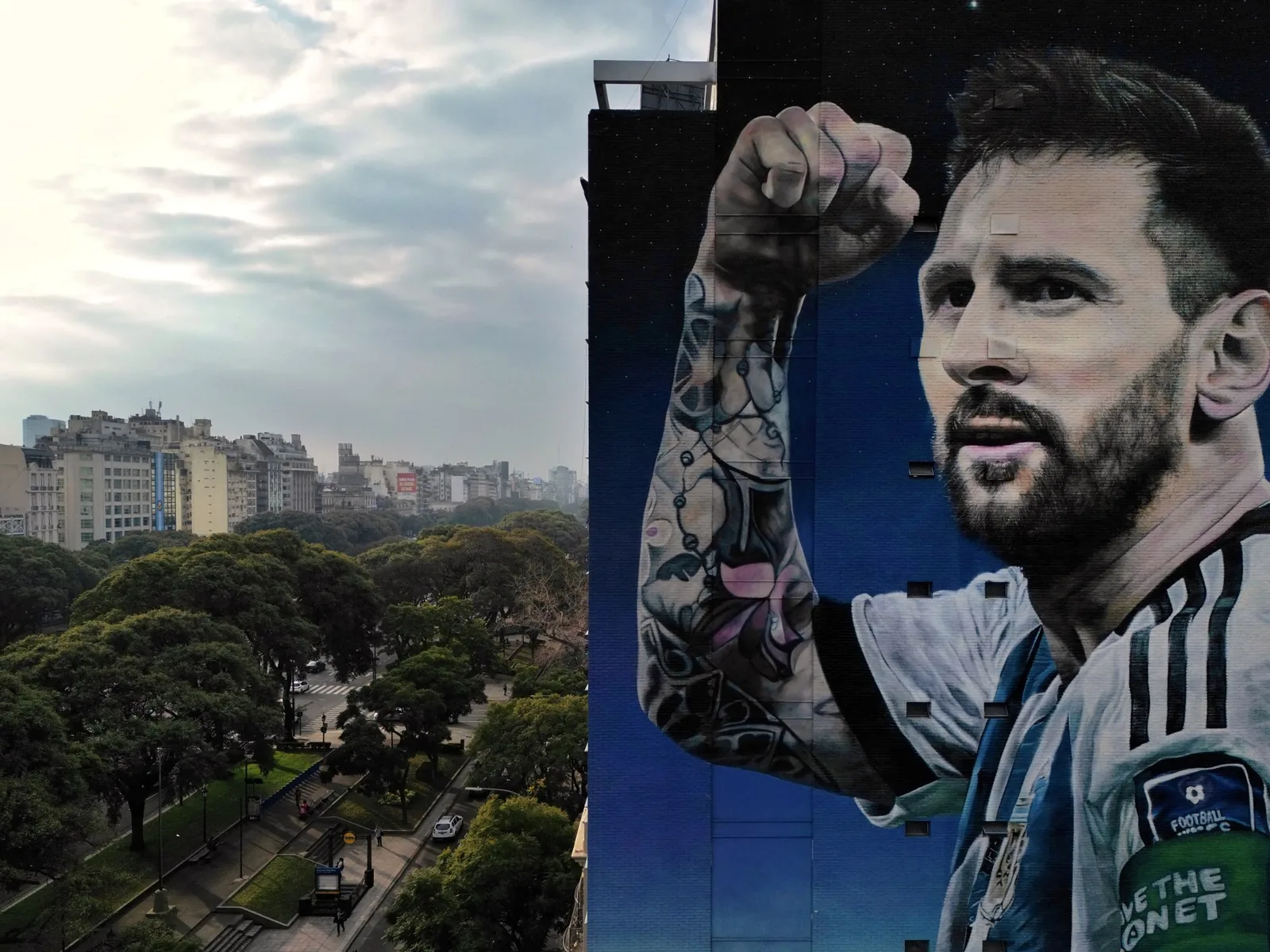
The FIFA World Cup final between Argentina and Spain has highlighted a significant divide across Latin America, with many countries rallying against Argentina despite regional solidarity. This sentiment extends beyond traditional football rivalries, encompassing political and social factors.
Historically, Latin American nations have supported regional teams deep into the World Cup. However, a different trend has emerged concerning Argentina, particularly evident through viral content and public sentiment. For instance, a photoshopped image of Spain‘s Lamine Yamal in a Brazilian jersey, captioned “The hope of the Brazilian people,” circulated widely, illustrating the desire for Argentina‘s defeat.
Regional Sentiment Against Argentina
The opposition to Argentina is widespread, with fans in Mexico, Colombia, and Chile expressing hopes that Lionel Messi‘s Albiceleste will not secure another title. This mirrors a similar phenomenon observed before Argentina‘s previous World Cup victory in Qatar in 2022.
Colombian sociologist German Gomez suggests that the “dynamic of solidarity” with Argentina has been disrupted. He attributes this, in part, to the digital era and social media, which have amplified narratives portraying Argentina as a favored team by FIFA and its president, Gianni Infantino. Critics often point to what they perceive as favorable referee decisions, such as penalties and card calls, benefiting Argentina, even when these decisions are officially supported by FIFA and experts.
In Sao Paulo, Brazilian fan Francisco Santos expressed a preference for Spain to become two-time champions over Argentina becoming four-time champions. Similarly, Juan Camilo Abusaid, a finance worker in Bogota, stated his support for Spain. In Mexico City, police officer Antonio Lopez, while acknowledging Messi as a “legend,” voiced concerns about perceived referee assistance for Argentina.
The sentiment is also influenced by national politics. Rachid Sjoberg, an agricultural laboratory operator in Santiago, cited his dislike for Argentine President Javier Milei, stating that the idea of him boasting about a World Cup win does not sit well. Mexican anthropology professor Jorge Negroe noted that this World Cup has proven to be “very political.”
Accusations of racism have also been leveled against Argentine fans and some players. Past incidents include a team chant mocking French players of color and instances of fans making derogatory gestures towards Brazilian fans or black players. FIFA condemned racism during this World Cup following an incident involving an Argentine supporter and a black US influencer.
Team Dynamics and Public Perception
Argentina‘s playing style has also drawn criticism. Rodri, Spain‘s midfielder and captain, addressed questions about Argentina‘s “dark arts” and aggressive tactics, stating that such aspects are “part of football” and that Spain would aim to play their own game without falling into provocations. Spain coach Luis de la Fuente, however, expressed admiration for Argentina‘s achievements, including their Copa America, World Cup, and Finalissima titles, noting similarities in their football brand.
Despite the widespread opposition, Argentina has received enthusiastic support at training camps in the US, with fans chanting “Messi! Messi!” Some individuals, like Valentino Tocto, a student in Lima, still embrace regional solidarity, stating he would support Argentina because it is a South American country.
Messi himself has acknowledged the strong emotions surrounding his team’s performance, stating, “Let it hurt whoever it hurts.” Argentine goalkeeper Emiliano Martinez highlighted the team’s working-class origins, saying, “We feel that bond, many similarities in the group. I would like people to think of us like any other Argentinian: We always work hard and even in hardships, we overcome it.”
The final is set to feature Argentina against Spain, marking the first time since 1950 that two Latin countries will compete in the final. Spain is making its first appearance in a World Cup final in 16 years, while Argentina seeks consecutive titles.
Controversies and Allegations
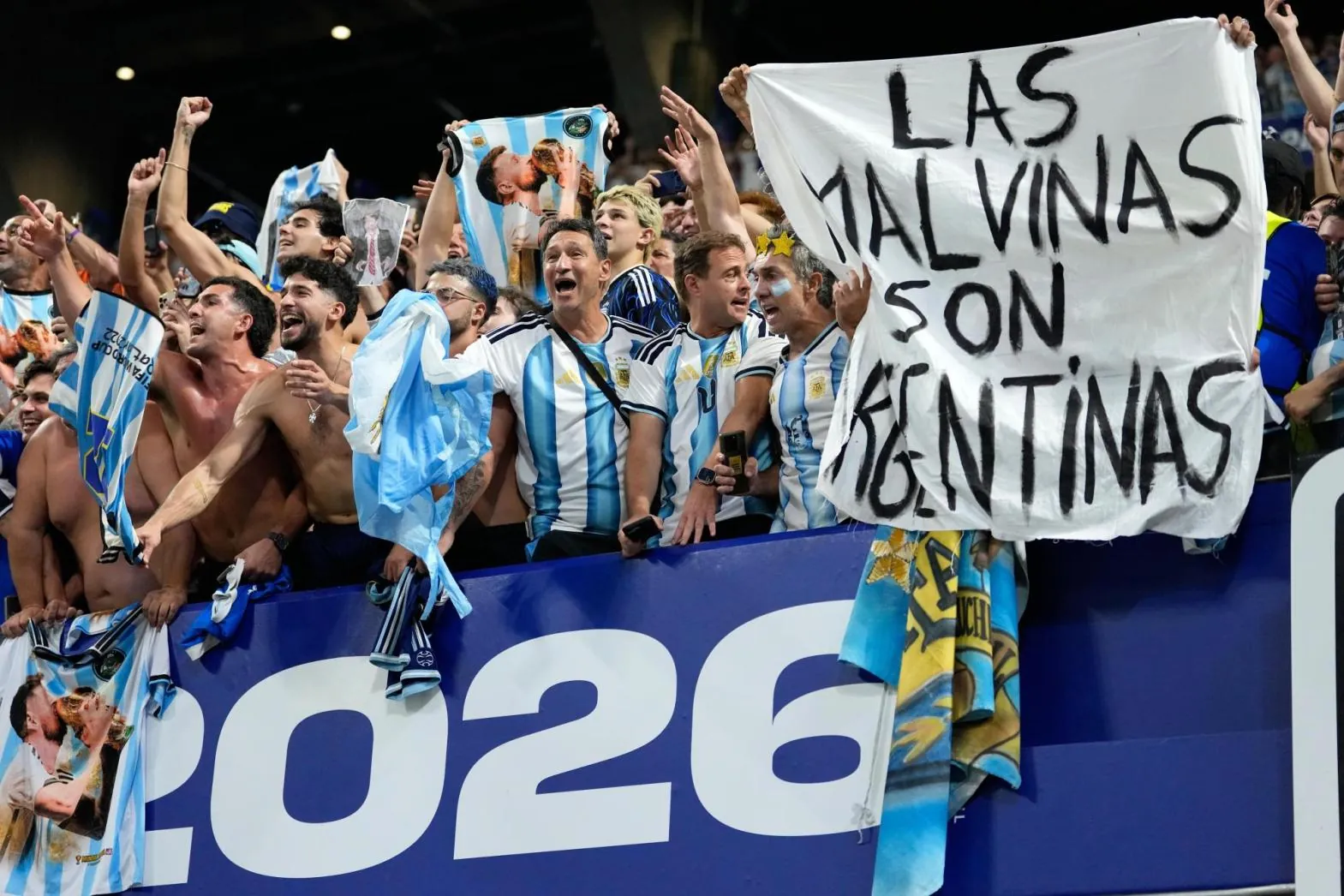
Social media has amplified negative sentiments towards Argentina, with numerous videos circulating that depict unsportsmanlike conduct. These include a video of Argentine fans stomping on an English flag, an Argentine player issuing a vulgar message after a semifinal victory against England, and a substitute player celebrating on the field during the match. Allegations of racist songs and chants by Argentine supporters have also been reported.
The team’s success has led to increased scrutiny of their methods. Argentina received five penalty kicks in the 2022 World Cup, which led Dutch coach Louis van Gaal to suggest that certain calls were premeditated. In the current tournament, a series of questionable decisions, such as a non-call on a foul by Messi, a nullified Egypt goal, and a controversial red card against Switzerland, have further fueled these discussions.
Despite FIFA‘s strict rules against political statements, several Argentine players displayed a banner reading “Las Malvinas son Argentinas” during celebrations, referencing the disputed Falkland Islands. This incident has not been officially acknowledged by FIFA, in contrast to a previous instance in 2012 where a South Korean player received a ban for a similar political statement.
The final match will determine whether Spain secures its second World Cup title or if Argentina achieves back-to-back championships, with the curtains closing on Sunday afternoon.
Read Also
Source: aljazeera.com