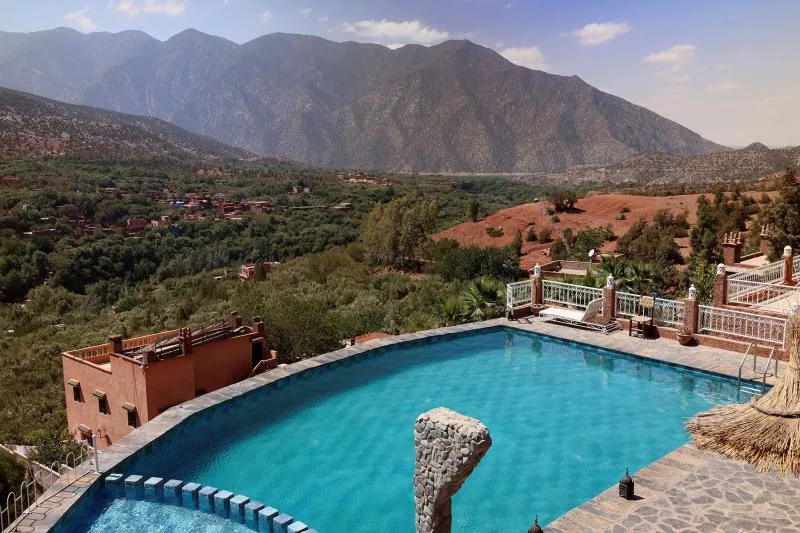
Morocco is increasing its hotel capacity and investing in infrastructure as it prepares to co-host the 2030 World Cup. The country aims to add 60,000 hotel beds by 2030, which is approximately one-fifth of its current total. This expansion is part of a broader effort to strengthen the tourism sector, which supports numerous jobs and contributes significantly to the nation’s economy.
Officials are looking to build on the momentum generated by the national team’s performance in the latest World Cup, where it reached the quarter-finals. The tourism minister, Fatim-Zahra Ammor, stated that the 2030 FIFA World Cup is viewed as an accelerator for development rather than an end goal. Morocco welcomed nearly 20 million tourists last year, making it Africa‘s most visited destination, and aims to attract 26 million visitors by 2030.
Infrastructure Development and Tourism Goals
To facilitate the tournament and boost tourism, the government has invested more than 190 billion dirhams, or about 17.8 billion euros, in various infrastructure projects. These investments cover rail, road, airport, stadium, and urban infrastructure. Over the past four years, 45,000 hotel beds have already been added, bringing the total capacity to just over 300,000.
The next phase of growth for the tourism sector will focus on attracting more visitors from China, the United States, and the Middle East through improved air links. Morocco also seeks to diversify its tourism offerings beyond traditional destinations like Marrakech and Agadir. The capital, Rabat, is being positioned as a hub for culture, sports, and business travel, leveraging its historical monuments, museums, and sports facilities.
Despite the focus on the World Cup and tourism, some young Moroccans have expressed concerns regarding government spending priorities. A Gen Z protest movement emerged last September, with young people organizing online and taking to the streets to advocate for increased spending on healthcare and education, rather than solely on football infrastructure and tourism. Activists like Salma from Casablanca believe the monthly minimum wage of 3,200 dirhams ($345) is insufficient to cover rising living costs, including rent, utilities, and food.
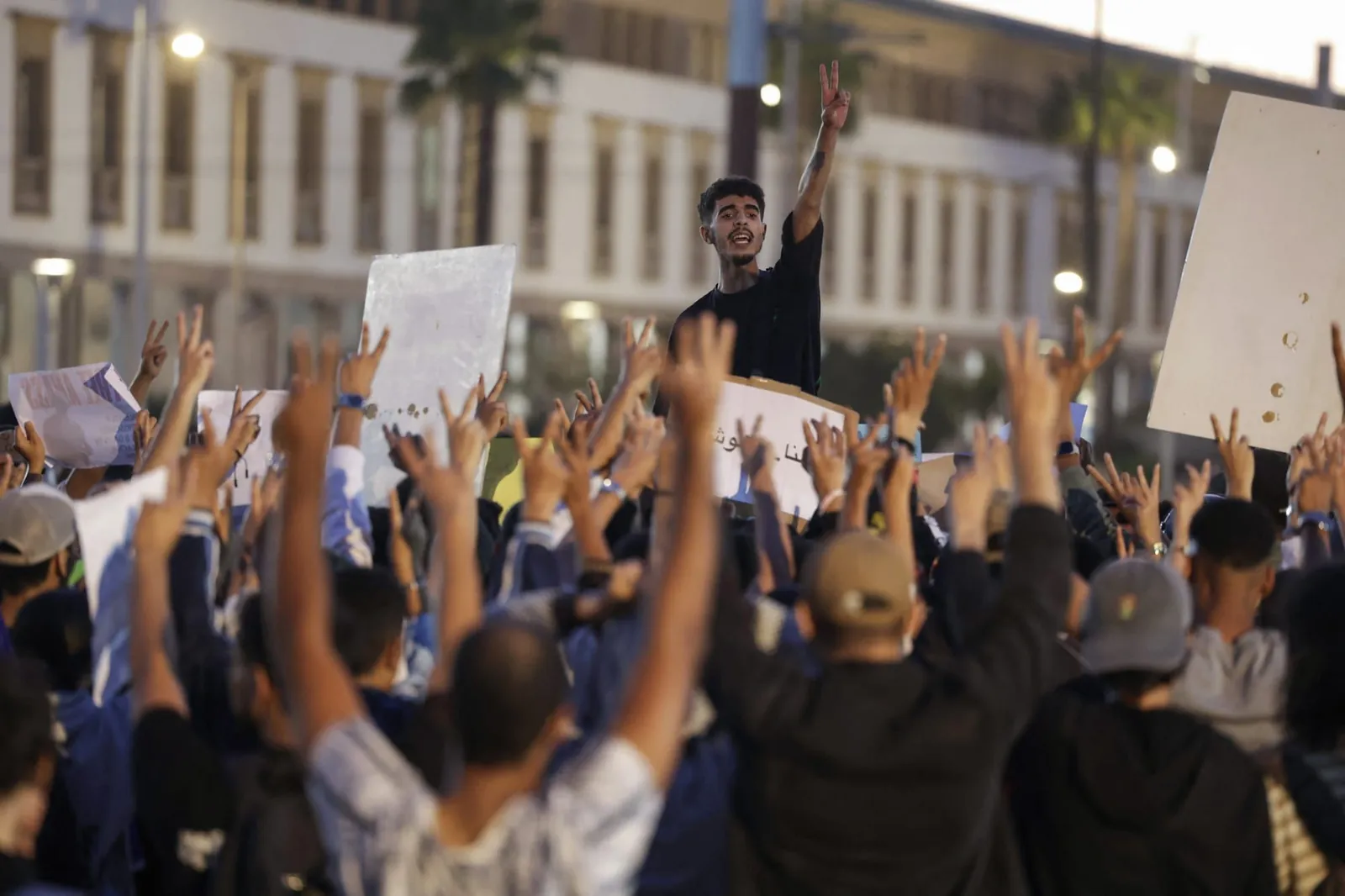
The current economic pressures are drawing parallels to past social unrest in Morocco, such as the ‘Bread Revolution’ of 1981. This earlier movement was sparked by high inflation and a cost-of-living crisis, alongside high unemployment rates. Redouane Amimi, a professor of public management at Mohammed V University in Rabat, noted the similarity between the situations, highlighting that social tension often arises from rising prices, eroding purchasing power, and limited prospects for the middle and lower classes.
Economic Challenges and Public Discourse
In April, the country’s annual inflation rate reached 1.7%, nearly double the 0.9% from the previous month. This increase was partly attributed to rising transport costs. While the government introduced a 25% subsidy scheme for transport professionals, industry representatives, including the National Union of the Road Freight Transport Sector, indicated it was not enough to offset the price hikes. Households have not received similar support, despite food costs increasing by 0.5% in April compared to the previous year.
Youth unemployment rates also reflect patterns seen in the 1980s, with 29.2% of 15-24-year-olds and 16.1% of 25-34-year-olds unemployed in the first quarter of this year. Activists like Youssef Bellaj have criticized Morocco’s export-led agricultural model, which they argue leads to high prices for local consumers as premium produce is sent to European markets. Bellaj emphasized the importance of citizens’ dignity over corporate profits.
The Gen Z movement has succeeded in bringing conversations about inequality into public discourse, leading to some concessions. These included an increase in funding for health and education in 2026 and a promise to create 27,000 jobs in these sectors. Bellaj stated that the movement has made it harder to justify repression without damaging the country’s international image. Activists are now demanding a more aggressive approach to combating monopolies and price-fixing.
While protests have currently subsided, Salma believes the underlying discontent remains due to fear, with many individuals facing prosecution. By the end of 2025, more than 2,400 people were being prosecuted in connection with the Gen Z protests, with some receiving sentences of up to 15 years. Amimi believes that addressing purchasing power concerns, improving public services, and rebuilding trust in institutions will be crucial to reducing the risk of future unrest.
The Moroccan central bank anticipates tourism revenue to reach 161 billion dirhams in 2027, up from 138 billion dirhams in 2025.
Read Also
Source: opendemocracy.net