Scrutiny over World Cup intervention
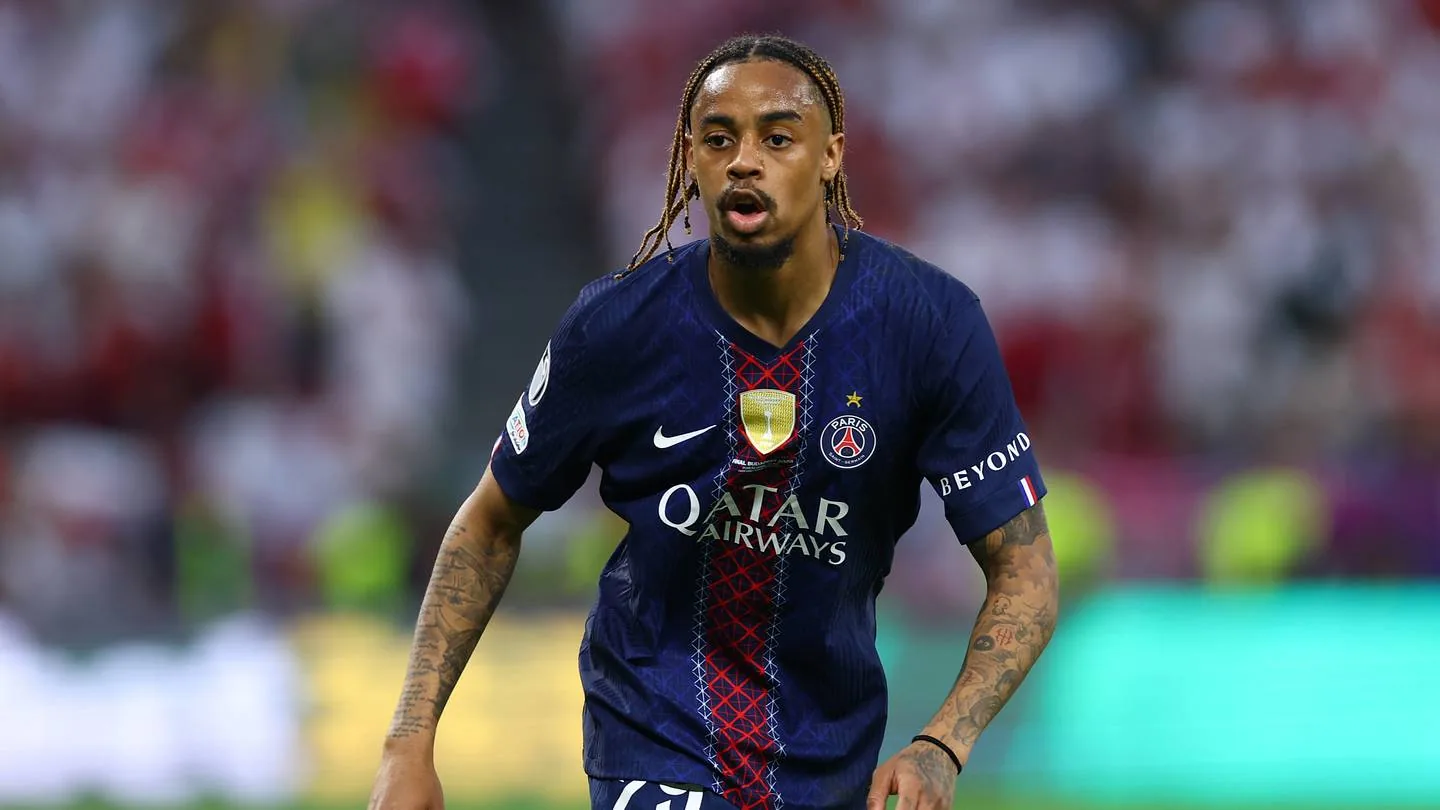
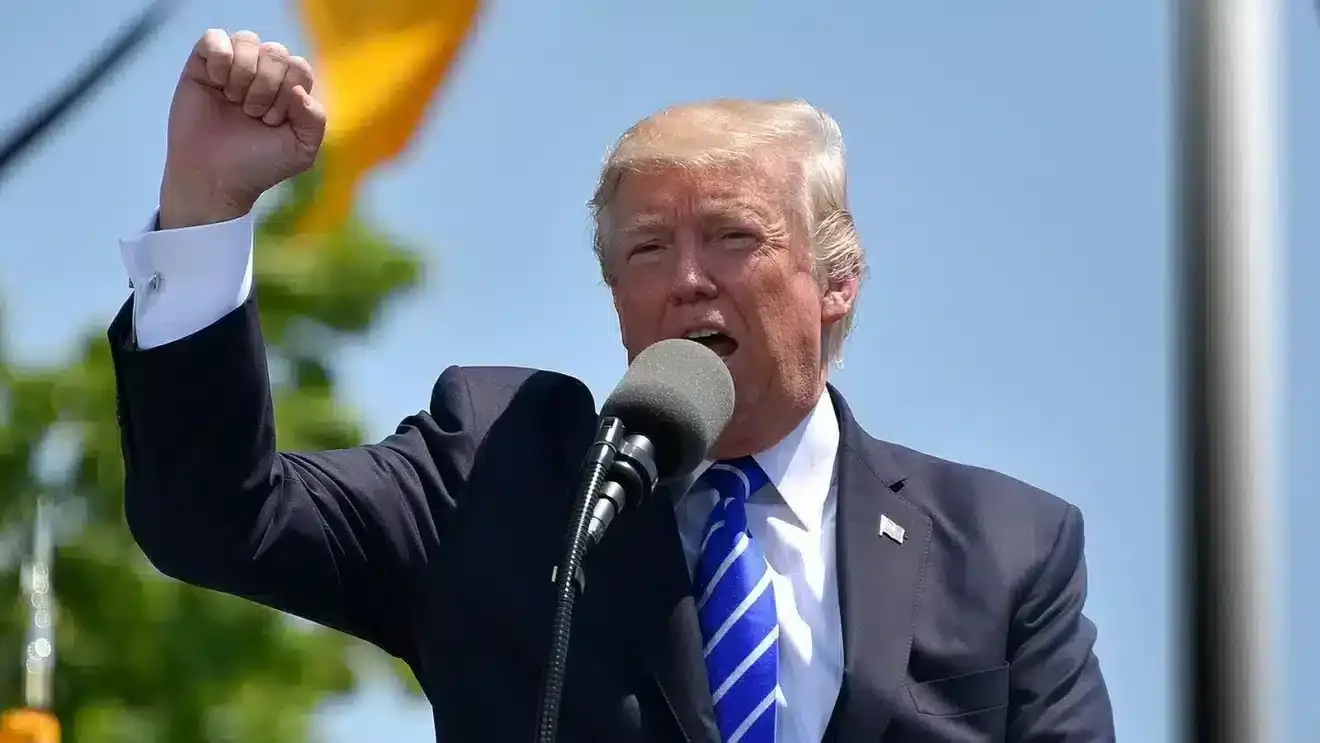
Donald Trump’s public announcement regarding a call to FIFA officials concerning a red-card suspension for United States forward Folarin Balogun generated criticism. The intervention occurred before the US’s match against Belgium. According to reports, Trump stated he contacted FIFA President Gianni Infantino to advocate for a reconsideration of Balogun’s suspension, which followed a foul in a previous match.
Following this, FIFA’s disciplinary committee reversed its initial decision, allowing Balogun to participate in the match against Belgium. However, Infantino issued a statement asserting that Trump’s actions had no bearing on the committee’s decision. Critics described the incident as an international event that introduced controversy and raised allegations of corruption, partly due to FIFA’s historical context and Trump’s public disclosure of his involvement.
Under tournament regulations, a red card typically results in at least a one-game suspension. Some observers suggested that the president’s involvement created the perception of an unfair advantage and placed the US team in a challenging position. Analysis of over 48,000 broadcast reports indicated that Trump’s intervention spurred global discussion and presented a communications challenge for FIFA.
The intervention to overturn Balogun’s red card generated more than 50,000 television and radio reports globally between July 5 and July 7. The narrative initially focused on a president’s involvement in a football tournament but quickly shifted to discussions about FIFA’s ability to maintain independence in the face of political interference.
In the United States, Trump remained a central figure in media coverage, appearing in 73% of reports. This intervention integrated the story into the domestic political agenda, though it did not result in positive coverage. Only 7% of Trump-related reporting had a positive tone, while 35% was neutral and 58% was negative or skeptical. Broadcasters questioned the appropriateness of a sitting president intervening in a football disciplinary process and the blurring of lines between politics and sport.
Internationally, the focus quickly shifted to FIFA. Broadcasters outside the US acknowledged Trump’s intervention but primarily concentrated on whether football’s governing body demonstrated the independence expected of an international sporting institution. International coverage included over 1,700 references to intervention, 1,100 to controversy, nearly 500 to politics, and more than 430 to independence. Scepticism was a prevalent editorial tone, with broadcasters scrutinising FIFA’s processes rather than Trump’s motives.
The international coverage seldom accused FIFA of direct wrongdoing but questioned whether the organisation had maintained the appearance of independence. This distinction is significant, as reputational issues often stem from a lack of confidence in processes rather than definitive proof of failure. FIFA President Gianni Infantino is scheduled for re-election in 2027. UEFA publicly described the Balogun decision as “unprecedented, incomprehensible and unjustifiable,” and FIFA’s own statutes prohibit political interference in football.
The Balogun intervention was not the sole instance of political interference in the 2026 competition. Previously, the US administration reportedly prevented a segment of the Iranian team from obtaining visas and denied the rest of the team permission to remain in the US between games. Additionally, a Somali FIFA referee was denied entry, and fans from certain countries were refused visas. These actions were described as political and contrary to the spirit of the tournament, yet FIFA remained silent.
Despite the political controversy, the football match itself eventually gained attention. The US team was defeated 4-1 by Belgium. In the initial phase of coverage, the match was secondary to the political debate. In the United States, only 6% of football-related reporting was positive, with 39% being negative, as broadcasters focused on the intervention, FIFA’s decision, and the US team’s elimination.
The 4-1 result altered the editorial direction. Had the United States advanced, broadcasters might have continued to question political influence in the tournament. Instead, the outcome allowed many broadcasters, particularly in Europe and South America, to redirect their attention to Belgium’s performance, the competition, and the sport itself.
Mississippi museum visit draws backlash
In December 2017, Mississippi opened the Mississippi Civil Rights Museum and the Museum of Mississippi History in Jackson. Trump announced his intention to visit the museums, having been invited by then-Gov. Phil Bryant. This announcement immediately drew criticism from some civil rights leaders.
Rep. John Lewis of Georgia subsequently cancelled his planned participation in the event. Instead of attending the outdoor public ceremony, Trump addressed a smaller group inside the museum while the public event proceeded without him. The two episodes—the World Cup call and the museum visit—were contrasted, with Trump’s emphasis on his actions reportedly overshadowing a positive US soccer narrative.
The Two Mississippi Museums, however, have continued to be recognised as a significant cultural asset for the state.
Read Also
Source: tippahnews.com