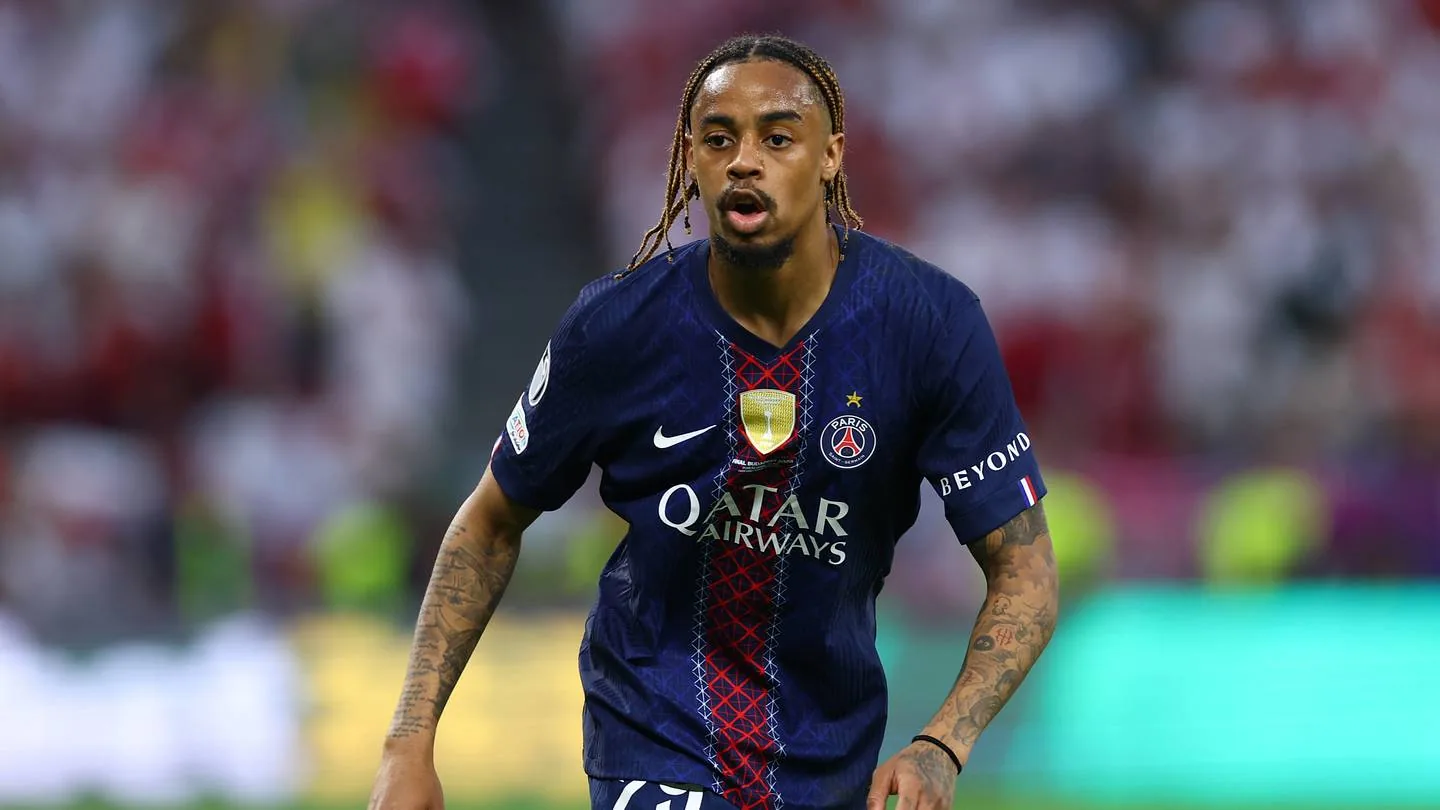
Goalkeeper’s Reflection on World Cup Exit
Matt Freese, the goalkeeper for the United States men’s national team (USMNT), has spoken publicly about the team’s elimination from the 2026 FIFA World Cup, an event marked by defensive errors and a challenging performance for him personally. The team’s journey ended with a 4-1 loss to Belgium in the Round of 16.
Freese, who plays for New York City FC, described the period as difficult, acknowledging that the defeat remains a prominent thought since his return home. He expressed a wish that he were not yet back, indicating the lingering impact of the tournament.
The USMNT had captivated American fans during its World Cup campaign, but the team’s exit, coupled with a controversy surrounding Folarin Balogun’s suspension, overshadowed what had been an inspiring run.
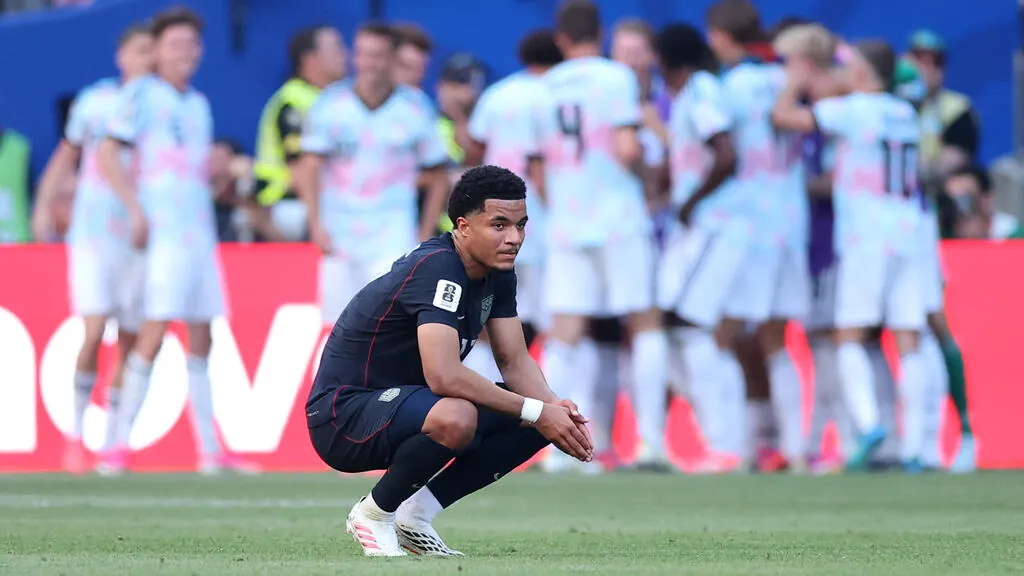
For Freese, the loss was particularly painful due to a mistake he made late in the match against Belgium. A failed clearance resulted in Belgium’s third goal, effectively diminishing any hopes of a comeback for the U.S. squad.
He described the moment as one that will stay with him, serving as motivation rather than defining his career. Freese stated that both the negative and positive experiences will drive him to work harder, improve, and strive for more successful moments while minimizing errors.
Impact and Future of US Soccer
Despite the disappointment, Freese shared a positive interaction he experienced upon returning home. He recounted how children and their parents approached him at the airport and on his flight, expressing newfound enthusiasm for soccer and discussing the sport. He found this to be incredibly rewarding, making him proud of the impact the team had.
Freese also voiced support for Mauricio Pochettino to continue as the head coach of the USMNT. He believes the team, along with the federation, possesses a collective belief and hunger to achieve something special and reach the next level in soccer.
Addressing those who doubt the future of soccer in the United States, Freese affirmed his commitment to working diligently to prove such doubts unfounded.
The World Cup generated significant viewership in the United States, with 50 million people watching the Round of 16 match against Belgium. This made it one of the most-watched sporting events in the country this century and the most-watched soccer match in U.S. history, outside of the decisive stages of the NFL playoffs.
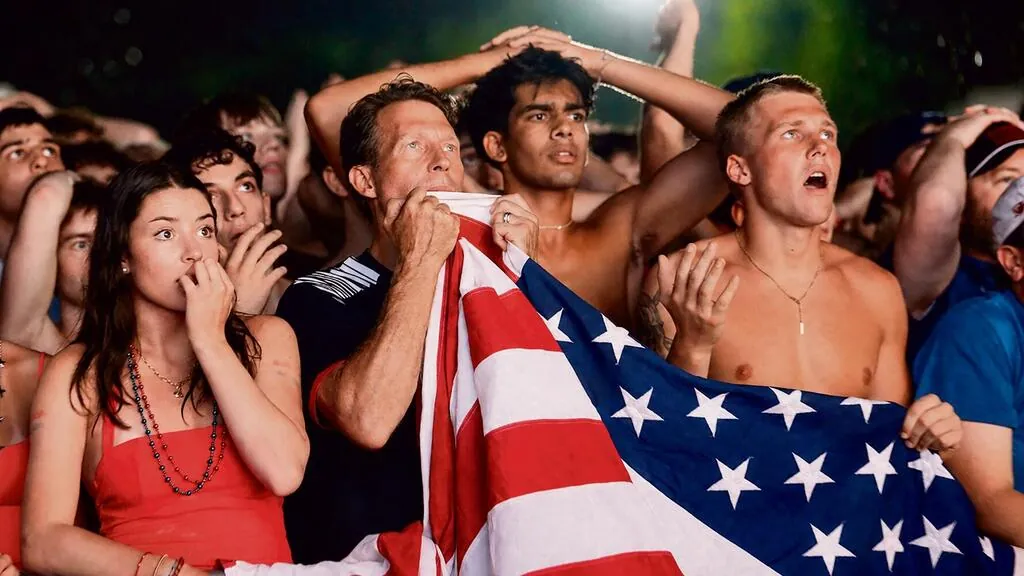
The post-elimination period saw extensive commentary on the state of U.S. soccer. One issue identified by pundits is the structure of youth soccer in the United States. Landon Donovan, a prominent figure in American soccer, highlighted research indicating that a small percentage of young soccer players in the U.S. come from households with lower incomes.
Donovan noted that under the current system, his own family, with his mother raising him on an annual income, would not have been able to afford youth club soccer. This suggests that the sport, despite its growing popularity among children, remains largely inaccessible to a significant pool of talent due to financial barriers.
The U.S. Soccer Federation has made some efforts to modify the development pathway, such as Major League Soccer academies offering free training to selected players. However, at younger ages, the system often requires parents to spend substantial amounts annually on travel, coaching, and equipment.
Critics argue that this pay-to-play model not only limits the talent pool but also prioritizes clubs’ financial results over player development. The youth sports industry in the United States is valued at over $40 billion, with a focus on generating revenue from families who can afford the costs.
The debate extends to whether the best athletes in the United States are drawn to other sports. While this is acknowledged, some argue it is an excuse rather than an immutable fact, given the country’s large population and athletic talent pool. The core issue, according to some analyses, is a reluctance to invest significantly in youth soccer development as a public interest.
One estimate suggests that fully funding the entire U.S. youth soccer development system with public money to eliminate the pay-to-play model could cost between $3 billion and $5 billion annually. This figure is contrasted with other national expenditures, implying that the financial capacity exists if there were a shift in priorities.
The USMNT’s performance against Belgium, where they conceded four goals, highlighted vulnerabilities when facing offensively strong teams that control the tempo of the match.
Read Also
- Dallas Mavericks secure Summer League victory over Memphis Grizzlies
- Dallas pitch set for final World Cup match as Spain prepares for France semi-final
- Los Angeles marks two-year countdown to 2028 Summer Olympics, handball competition to begin early
- Manchester United finalises Youri Tielemans signing
Source: marca.com