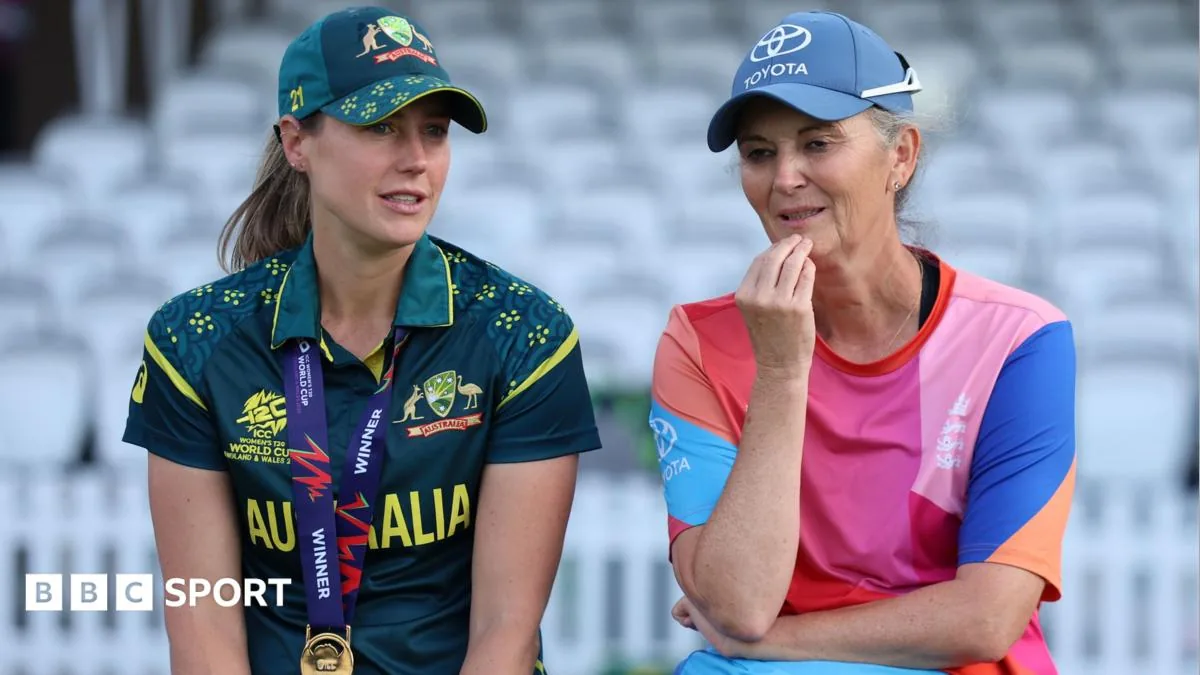
South Korea’s World Cup exit sparks outrage
South Korea faced a disappointing exit from the FIFA World Cup after failing to advance past the group stage, leading to widespread criticism and calls for significant changes within the national football setup. The team, which had reached the semi-finals as co-hosts in 2002, was eliminated after failing to secure a spot among the top eight third-place finishers. Their campaign ended with a crucial 1-0 loss to South Africa.
The early departure prompted coach Hong Myung-bo to resign. The country’s president, Lee Jae Myung, publicly criticized the situation, attributing it to “incompetent people”. This sentiment reflects a growing public anger directed at South Korean football officials, following years of discontent.
Former captain Park Ji-sung commented on the situation, suggesting that the outcome might have been anticipated years ago. He emphasized the need for introspection, questioning why the situation had deteriorated despite a decade of efforts to prepare for the World Cup and develop Korean football. The team had been expected to progress from Group A, which included co-hosts Mexico, South Africa, and the Czech Republic. They began their campaign with a 2-1 victory over the Czechs but then lost 1-0 to Mexico before their decisive defeat against South Africa.
Criticism and calls for reform
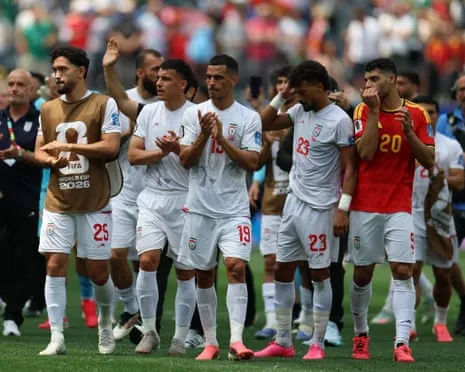
The Korea Football Association (KFA) decided not to organize a welcome event for the team’s return, a stark contrast to previous receptions. In 2014, fans pelted the team with Korean candies upon their return from the World Cup in Brazil, where they also exited in the group stage during Hong’s initial tenure as coach. Hong Myung-bo’s return to the coaching role in July 2024, following the dismissal of his predecessor, Jurgen Klinsmann, had already drawn scrutiny regarding the transparency and fairness of the reappointment process.
Hong faced significant criticism, particularly for his decision to drop star player Son Heung-min for the crucial match against South Africa. After the match, Hong admitted his struggle to comprehend what went wrong. Lee Chun-soo, a member of the 2002 World Cup team, expressed his frustration, stating he “felt pathetic and frustrated rooting for Uzbekistan” in hopes of a favorable result for South Korea. Lee viewed the team’s performance as a “message to change,” suggesting that everyone involved should be prepared to step down.
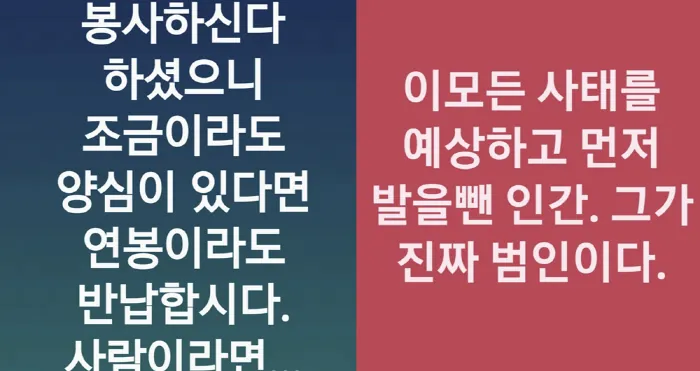
A substantial portion of public anger has also been directed at KFA president Chung Mong-gyu. Chung had previously indicated he would resign after the tournament, citing a “lack of virtue” amid strong criticism of his 13-year leadership. Chung, currently in his fourth term as KFA president, also faced backlash for attempting to pardon former players who had received lifetime bans for match-fixing. Actor Han Jeong-soo publicly criticized Hong Myung-bo, suggesting he should return his salary if he has any conscience, and also pointed blame at the KFA and its president.
Uncertain futures for key figures
The future of captain Son Heung-min remains uncertain, as he has not yet commented on his international career. Son, who will turn next month, had previously hinted at retiring from international football. Hong Myung-bo, who had taken charge of the national team in July 2024 and was under contract through the AFC Asian Cup in February 2027, resigned with eight months remaining on his deal. He took full responsibility for the team’s failure to advance, stating, “We were ultimately unable to deliver the result that the public had hoped for. That responsibility lies entirely with me as the head coach.”
The dramatic conclusion to the group stage saw Iran also miss out on the last 32, despite remaining undefeated with three draws in Group G. Their hopes were dashed in the final moments of the 72-game group stage when Austria scored a late equalizer against Algeria, securing their own progression. Scotland and Uruguay were among other teams that failed to advance from their respective groups. Park Ji-sung reiterated the importance of learning from past mistakes to avoid a repeating cycle, urging for a step-by-step approach to shape a better future for South Korean football.
The South Korea national football team concluded their 2026 FIFA World Cup campaign with one win and two losses, finishing third in their group.
Read Also
Source: dawn.com